Leaving It in the Bunker
The club digs too deep into the sand and the ball barely comes out, or stays in the bunker entirely.
Why it happens
This happens when the club enters the sand too far behind the ball or digs too deep, absorbing all its energy in the sand before ever reaching the ball.
Possible causes in your swing, and how to fix each one
Tap any cause to see its fix. Work through them one at a time, usually one or two are the real culprit.
01
Hitting too far behind the ball
Taking too much sand before the ball soaks up the swing's speed.
Pick a specific spot in the sand about two inches behind the ball and aim to enter there, use that spot, not the ball, as your target.
02
Decelerating through impact
Fear of the shot often leads to an incomplete, decelerating swing that doesn't have enough speed to move through the sand.
Commit to a full, accelerating swing through the sand every time, practicing with the specific goal of finishing your follow-through.
03
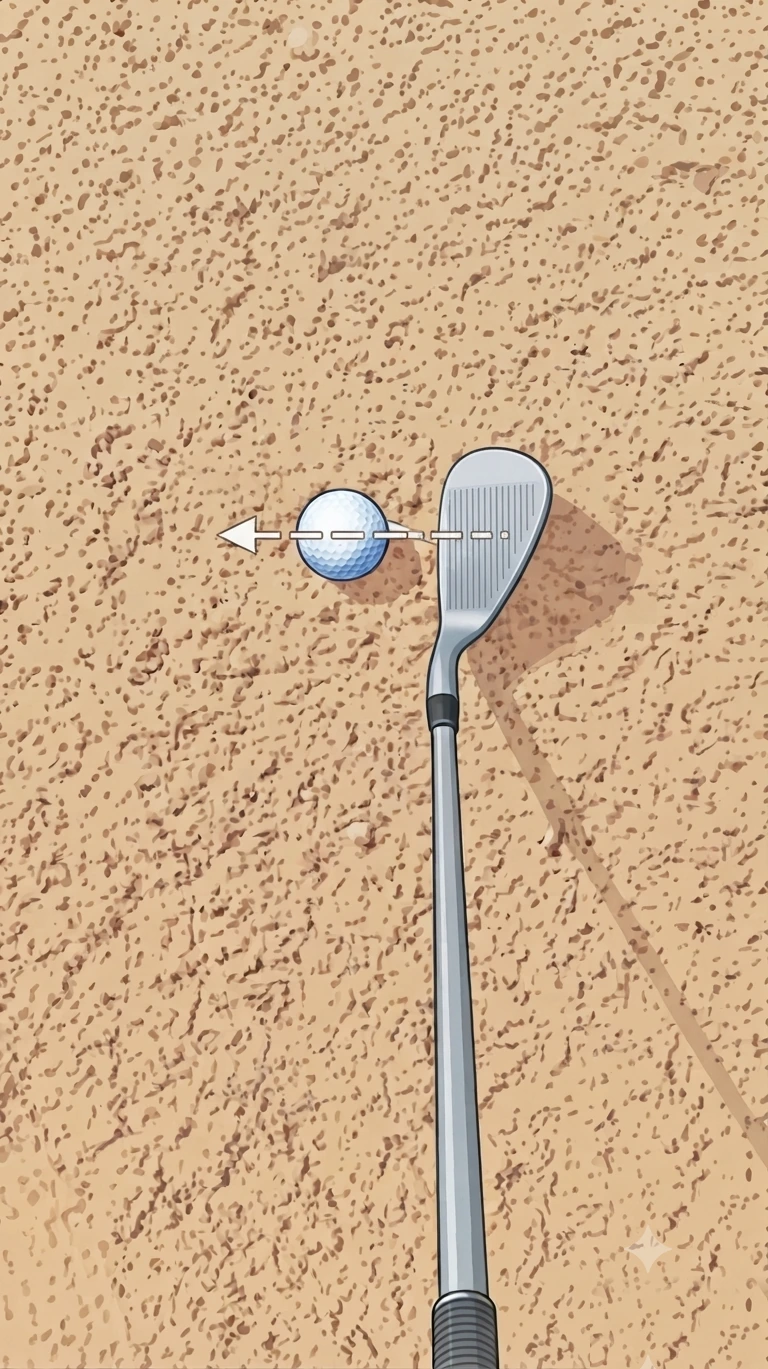
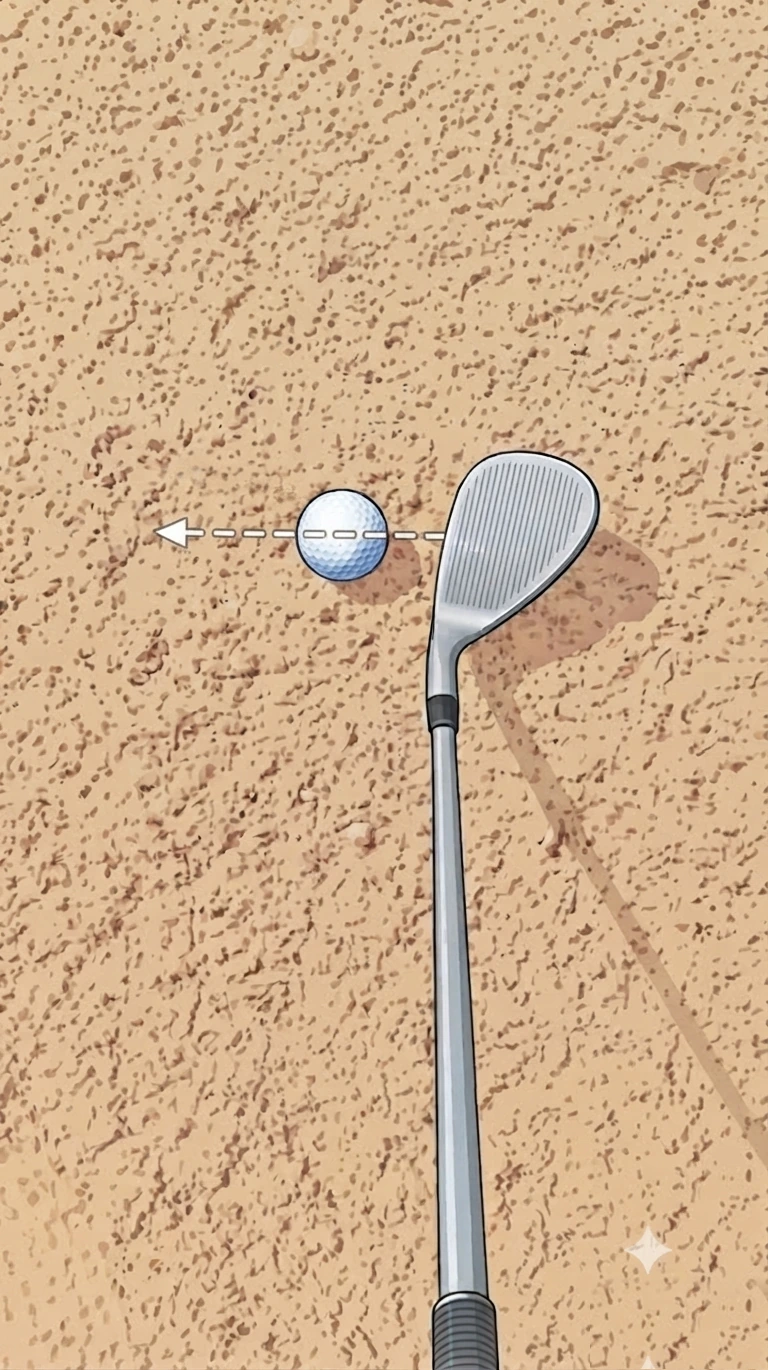
Clubface too closed
A closed face digs into the sand rather than sliding through it.
04
Hanging back on your right foot
This steepens the swing and drives the club too deep into the sand.
Set up with roughly 60% of your weight on your left foot and keep it stable through the shot.
Recommended video
EASY way to escape bunkers EVERY TIME - GUARANTEED
Rick Shiels Golf
How do you compare to the pros?
Sand save percentage
Leaving It in the Bunker is one of the main reasons a greenside bunker shot turns into a dropped stroke instead of a saved par.
Sources: PGA Tour sand save stats (season average, about 49 to 50%); amateur bunker-performance estimates, mid-handicap band (about 25 to 35%).
When to stop self-diagnosing
If you've genuinely worked through two or three of these causes over several range sessions and the miss keeps showing up, that's not a failure since it usually means the real cause is something you can't feel or see in your own swing. A single 30-minute lesson with a certified instructor, who can watch you hit balls, will find it faster than any website. Bring this page along and tell them what you've already ruled out; it'll save you both time.