Ball Comes Out Low / Hits the Lip
The ball comes out on a low, flat trajectory and doesn't clear the front edge of the bunker.
Why it happens
This happens when not enough loft is being presented to the ball at impact, usually from a closed or de-lofted face, or too shallow an angle of attack for the shot at hand.
Possible causes in your swing, and how to fix each one
Tap any cause to see its fix. Work through them one at a time, usually one or two are the real culprit.
01
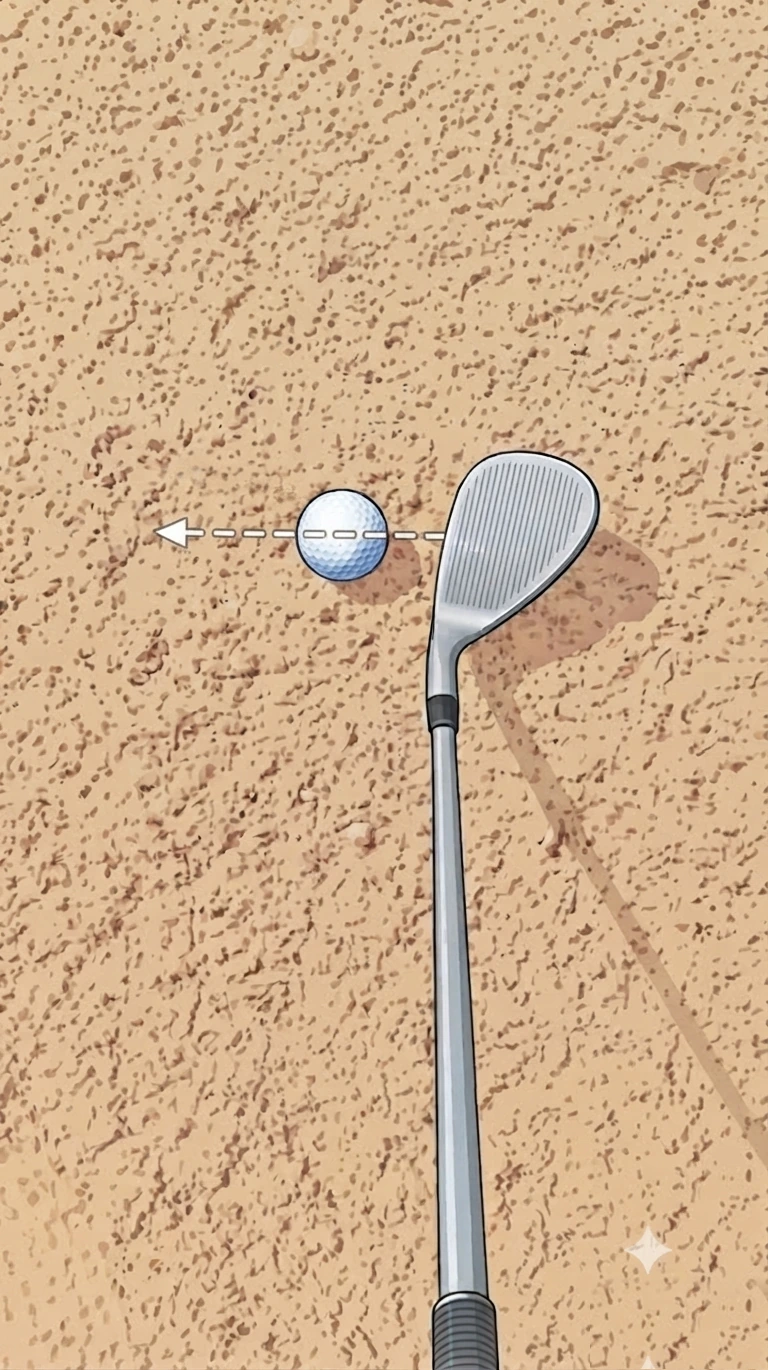
Clubface closed or square instead of open
A square face doesn't produce nearly as much height as an intentionally opened one from sand.
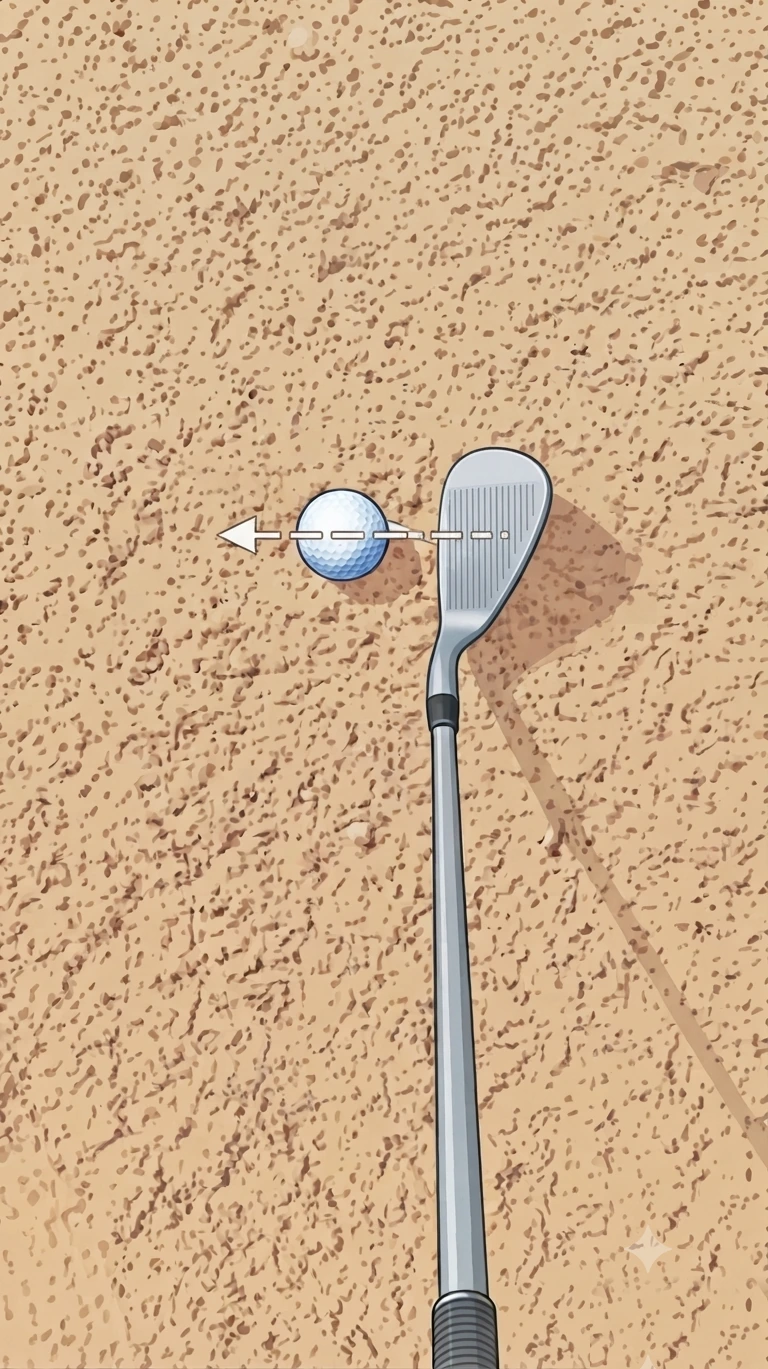
Open the face noticeably for a high, soft bunker shot, especially when the bunker has a steep front lip.
02
Ball positioned too far back
This reduces the effective loft presented to the ball at contact.
Move the ball forward, roughly off the left heel, for a higher, softer-landing shot.
03
Swing too shallow or sweeping
A shallow angle of attack doesn't let the club's bounce and loft work the way they're designed to under the ball.
Hinge the wrists a little more to create a steeper swing, letting the bounce of the sole work properly under the ball.
04
Weight on the back foot at impact
This further lowers the effective loft and flattens the trajectory.
Keep your weight forward through the shot, finishing with your chest facing the target.
Recommended video
Titleist Tips: The High Splash Bunker Shot
Titleist
How do you compare to the pros?
Sand save percentage
Ball Comes Out Low / Hits the Lip is one of the main reasons a greenside bunker shot turns into a dropped stroke instead of a saved par.
Sources: PGA Tour sand save stats (season average, about 49 to 50%); amateur bunker-performance estimates, mid-handicap band (about 25 to 35%).
When to stop self-diagnosing
If you've genuinely worked through two or three of these causes over several range sessions and the miss keeps showing up, that's not a failure since it usually means the real cause is something you can't feel or see in your own swing. A single 30-minute lesson with a certified instructor, who can watch you hit balls, will find it faster than any website. Bring this page along and tell them what you've already ruled out; it'll save you both time.